Emergency Electrical Response: How Fast Service Prevents Costly Damage
Electrical emergencies can strike at any moment, often without warning, causing disruptions that range from minor inconveniences to significant property damage. From sudden power outages to exposed wiring, faulty circuits, or appliance malfunctions, the consequences of delayed response are both costly and dangerous. Beyond the immediate safety risks, these incidents can lead to long-term damage to electrical systems, appliances, and even structural components of a building. Recognizing the urgency of such situations is essential for homeowners, businesses, and property managers who seek to maintain operational efficiency and safety. Ignoring small electrical anomalies can compound problems, resulting in higher repair costs and increased downtime. Proactive awareness and preparedness are critical steps in minimizing these potential hazards before they escalate into emergencies.
Rapid response to electrical emergencies not only prevents further deterioration but also minimizes financial and operational impacts. Timely intervention can stop small issues from escalating into major hazards, safeguarding both people and property. In addition, fast electrical service ensures compliance with safety standards and reduces downtime in commercial settings, protecting revenue and productivity. Acting quickly also preserves the lifespan of equipment and reduces the likelihood of repeated failures. For those managing multiple properties or high-load systems, immediate action ensures continuity of operations while maintaining a safe environment for occupants and staff. Understanding the critical role of prompt action in electrical emergencies is vital for anyone responsible for maintaining safe and functional spaces. This article explores why fast electrical response matters, the types of emergencies that require immediate attention, and actionable strategies for preventing costly damage.
The Critical Role of Immediate Electrical Response
Understanding Electrical Emergencies
Electrical emergencies are situations where the electrical system poses immediate danger to life, property, or essential operations. These include power surges, sparking outlets, tripped breakers, burning smells, and exposed wires.
Even minor anomalies can escalate quickly if left unaddressed, potentially causing severe hazards. Immediate action is essential to prevent fire hazards, water-related electrical damage, or damage to connected appliances, electronics, and overall infrastructure.
Safety and Liability Considerations
A fast response significantly reduces the risk of injury, property loss, and potential liability issues. Electrical fires account for thousands of property damages annually, and insurance claims often hinge on timely intervention and documented actions. Delayed service can complicate claims, increase out-of-pocket expenses, and heighten legal responsibility. Understanding the legal, financial, and safety implications reinforces the need for swift, professional action whenever electrical systems show signs of distress.
Real-World Scenario
Consider a commercial office experiencing frequent breaker trips in a server room with critical IT infrastructure. Delayed response could lead to complete server failure, extensive data loss, and prolonged operational downtime, resulting in significant revenue and productivity loss. Immediate intervention identifies the faulty circuit, restores safe operations, and ensures continuity, demonstrating the critical value and importance of rapid, professional electrical service.
Common Emergency Electrical Situations
Power Outages and Surges
Power outages and surges are among the most frequent and disruptive electrical emergencies. While utility companies manage large-scale outages, localized electrical issues often require immediate professional attention. A surge can damage sensitive electronics, HVAC systems, and industrial machinery, leading to costly repairs and downtime. Using surge protection devices and proactively inspecting electrical panels can help mitigate these risks effectively.
Faulty Wiring and Short Circuits
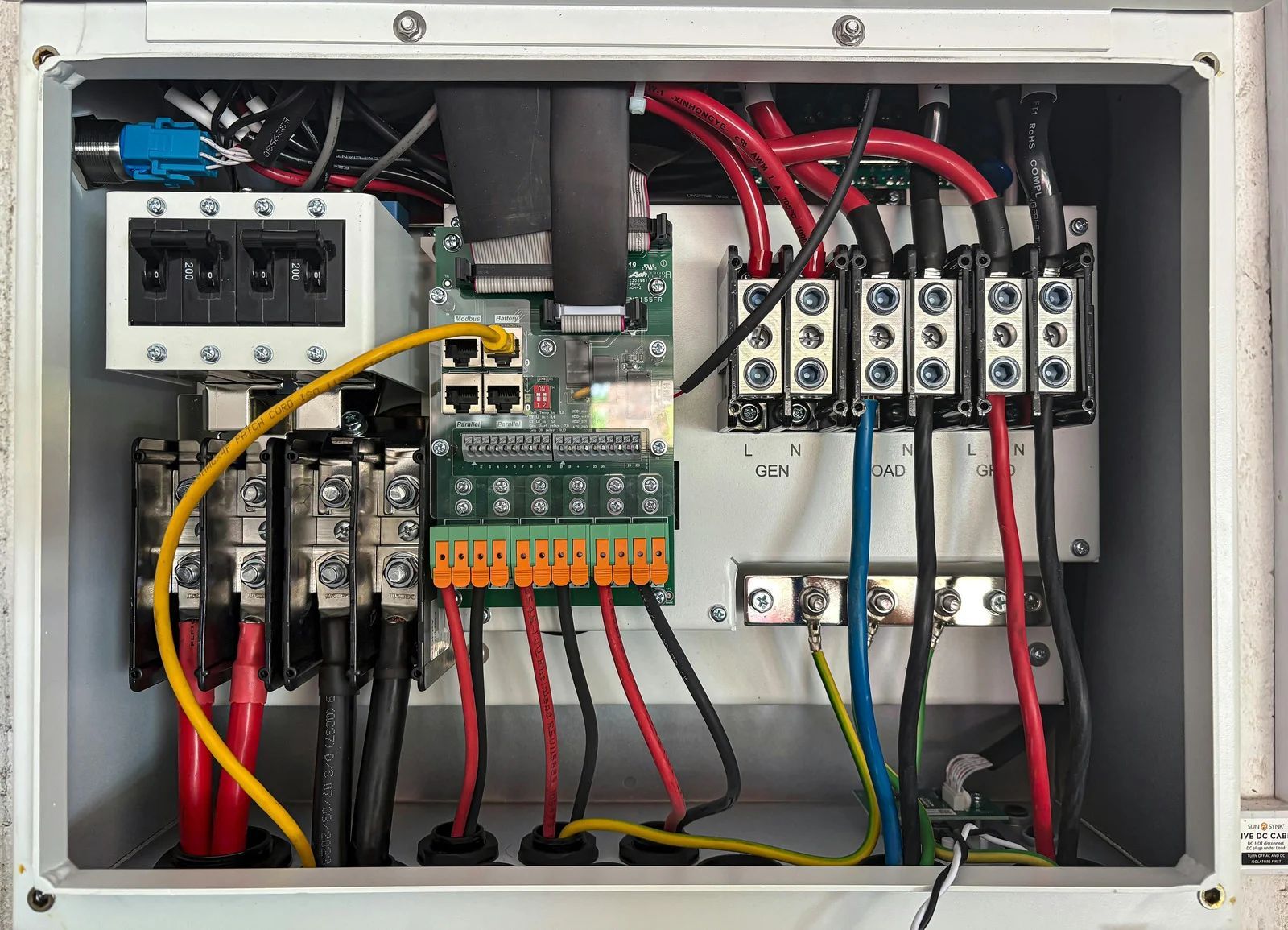
Faulty wiring or short circuits often arise from aging infrastructure, DIY installations, or environmental factors such as moisture, pests, or corrosion. Ignoring these issues may result in sparks, smoke, or even full-blown fire hazards. Prompt inspection, repair, and replacement prevent hazards from spreading, ensuring safe, reliable, and uninterrupted electrical distribution throughout the property.
Appliance and Equipment Failures
Appliances, industrial machinery, and critical equipment are often overlooked sources of electrical emergencies. Malfunctioning or overloaded devices can cause power interruptions, circuit failures, or even fire risks. Immediate assessment identifies the problem, whether it involves replacing components, upgrading capacity, or addressing grounding and wiring issues. Preventive maintenance and timely inspections reduce the likelihood of sudden failure effectively.
Exterior Electrical Hazards
Outdoor lighting, pool wiring, security systems, and exterior outlets are continually exposed to weather, wear, and accidental damage, increasing the risk of short circuits and electric shocks. Fast response to damaged wiring, exposed lines, or malfunctioning outdoor systems ensures safety, protects structures from fire hazards, and maintains proper function of exterior electrical infrastructure.
Consequences of Delayed Response
Escalating Property Damage
Small electrical issues can rapidly escalate into dangerous and costly problems if ignored. A minor short circuit, for example, can ignite insulation, damage walls, ceilings, and floors, or even compromise structural components. Water intrusion interacting with faulty wiring can significantly worsen the damage. Prompt electrical service addresses these hazards early before they multiply, preventing extensive and expensive reconstruction.
Equipment and Data Loss
In commercial, industrial, and residential environments, electrical emergencies can result in equipment failure, loss of sensitive data, and operational interruptions. Uninterrupted power systems, servers, production machinery, and household appliances are vulnerable to sudden outages or voltage surges. Delaying repairs increases downtime, disrupts operations, and often necessitates costly equipment replacement, highlighting the importance of immediate action.
Increased Safety Risks
Electrical emergencies pose direct safety threats to humans, pets, and visitors. Exposed wires, sparks, and malfunctioning circuits can cause electric shocks, burns, or full-blown fires, creating high-risk situations. Fast intervention limits exposure to these hazards, protects occupants, and prevents injuries. Proactive safety measures combined with immediate response dramatically reduce the risk of accidents or fatalities.
Best Practices for Emergency Electrical Management
Establish Clear Emergency Protocols
Creating clear, actionable protocols ensures that everyone knows exactly how to respond during an electrical crisis. Protocols should include immediate shutdown procedures, safe access to affected areas, and emergency contact information. Having these measures in place reduces confusion, speeds response, and ensures that risks are mitigated efficiently during emergencies.
Regular Inspection and Maintenance
Routine inspection of wiring, electrical panels, and appliances identifies potential hazards before they escalate into emergencies. Preventive maintenance minimizes the likelihood of system failures, extends the life of equipment, and ensures compliance with safety regulations. Professionals can recommend upgrades, replacements, or enhancements that maintain safe, reliable, and efficient electrical operation throughout the property.
Install Safety Devices
Safety devices such as circuit breakers, surge protectors, GFCI outlets, and smoke detectors provide critical protection against electrical hazards. Proper installation, testing, and maintenance of these devices allow fast isolation of problems, reduce the intensity of potential emergencies, and limit financial and operational impacts caused by unexpected electrical failures.
Professional Monitoring Services
In high-risk residential, commercial, or industrial environments, continuous electrical monitoring provides early detection of irregularities like voltage fluctuations, overheating, or abnormal current flow. Early alerts allow corrective action before emergencies develop, preventing downtime, equipment damage, and costly repairs. Monitoring is especially valuable for high-load systems and sensitive electronics.
Staff Training and Awareness
Educating staff, residents, or occupants on identifying electrical hazards, using safety equipment, and following emergency protocols empowers them to act promptly. Awareness and training reduce panic, ensure proper handling of dangerous situations, and maintain safety until professional electricians arrive on-site to resolve the issue efficiently.
Strategies for Minimizing Financial Impact
Rapid Diagnostics and Repairs
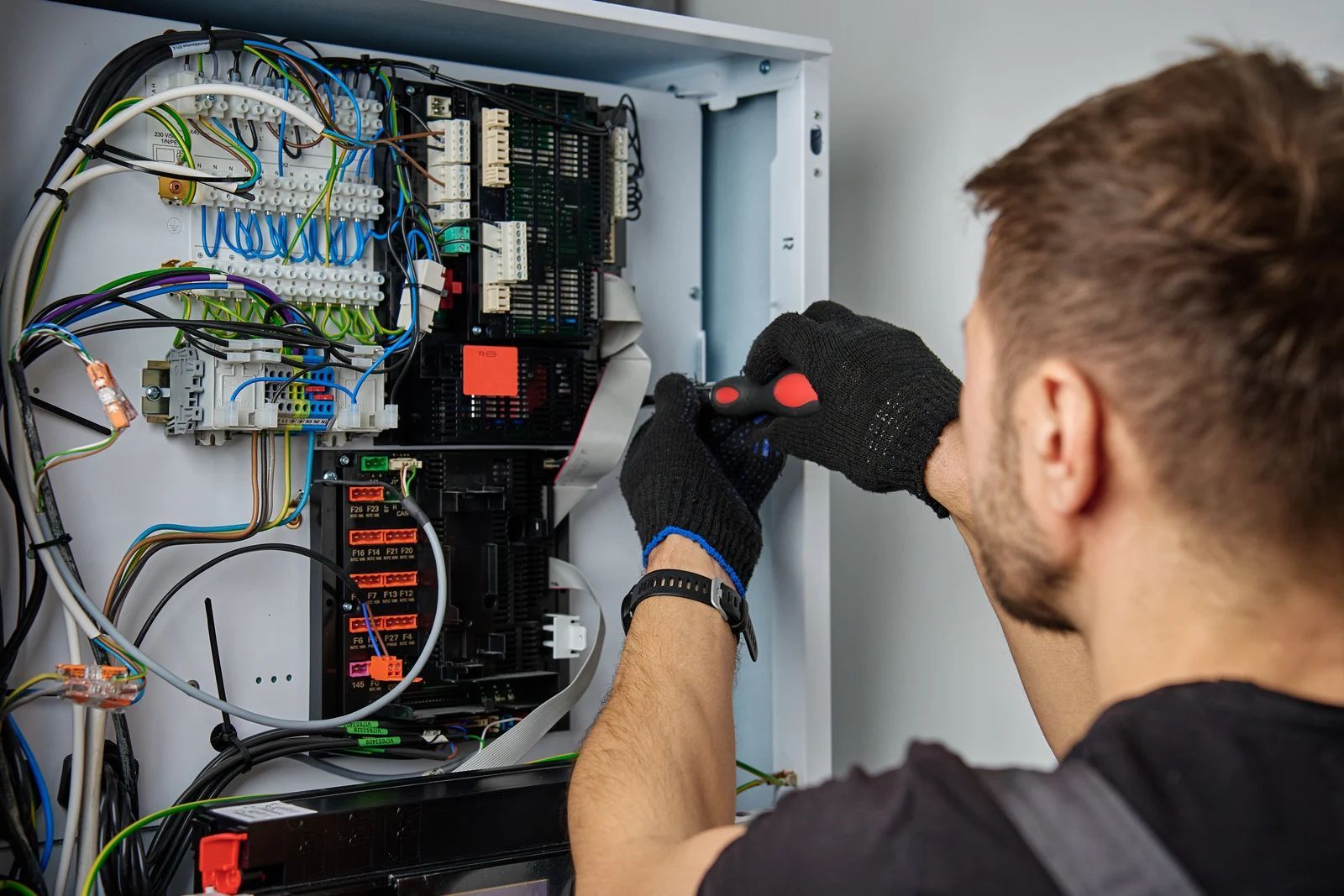
The faster electrical problems are assessed and repaired, the lower the risk of escalating costs and damage. Advanced diagnostic tools allow professionals to identify issues quickly and accurately, ensuring effective repairs and reducing the likelihood of repeat emergencies. This approach protects property, equipment, and financial investments.
Prioritize High-Risk Areas
High-load circuits, server rooms, kitchens, mechanical equipment, and exterior electrical systems require special attention. Regular evaluation and rapid response in these critical areas reduce the likelihood of equipment damage, operational disruption, and emergency escalation, preserving safety and minimizing financial exposure.
Implement Preventive Upgrades
Upgrading outdated panels, replacing aging wiring, and installing energy-efficient devices prevent repeated electrical failures. Investments in modernizing systems often pay for themselves by reducing emergency service calls, extending equipment lifespan, and ensuring long-term operational reliability.
Documentation and Review
Recording electrical incidents, inspections, and repairs provides a valuable historical record of system performance and vulnerabilities. Reviewing this data helps identify patterns, anticipate future risks, and implement preventive measures, improving both safety and cost efficiency for residential or commercial properties.
Insurance and Compliance Considerations
Ensuring that electrical systems meet current safety codes reduces insurance complications during emergencies. Prompt response to incidents demonstrates responsible property management, which can positively affect insurance premiums and claim outcomes while protecting assets from preventable damage.
Professional Preventive Maintenance Reduces Future Emergencies
Fast electrical response is essential for preventing costly damage, protecting property, and ensuring safety. Emergencies such as power surges, short circuits, faulty wiring, and equipment failures can escalate quickly, causing significant financial and operational consequences. Proactive measures, routine inspections, safety devices, and clear emergency protocols all contribute to reducing risks and minimizing impact. By acting quickly, hazards can be contained before they develop into more severe problems, maintaining both safety and functionality across residential, commercial, and public spaces.
At CTS Electric, based in Madison and Lacey Springs, Alabama, 20years of experience has established a reputation for reliable, prompt, and
professional electrical services. Specialized in emergency response, CTS Electric
delivers rapid diagnostics, effective repairs, and preventive strategies to protect property and occupants. Committed to safety, quality, and efficiency, CTS Electric
ensures every electrical challenge is addressed with expertise and precision. Choosing CTS Electric
provides peace of mind, knowing that urgent electrical needs are met swiftly, minimizing risk and preventing costly damage. Trust CTS Electric
for fast, dependable, and professional electrical solutions.
You might also like