Residential vs. Commercial Electrical Work: Key Differences Explained
Electrical work is a critical component of any construction or renovation project, ensuring that homes and commercial buildings are safe, efficient, and fully functional. Whether you are planning to upgrade a residential property or develop a commercial space, understanding the distinctions between residential and commercial electrical work is essential for long-term performance and compliance. Many property owners, facility managers, and contractors often assume that the same approach can be applied to both environments. However, the reality is that these two types of electrical work involve vastly different requirements, specialized safety considerations, and advanced technical expertise. Recognizing these differences is not only important for compliance with local codes and regulations but also for the overall longevity, efficiency, and reliability of your electrical system. Failure to account for these variations can lead to costly repairs, downtime, and potential safety hazards that could have been easily avoided with proper planning.
In residential settings, electrical systems are typically smaller, simpler, and designed to handle standard household appliances, lighting, and entertainment devices efficiently. Commercial electrical systems, by contrast, often support large-scale operations, high-voltage machinery, networked technology systems, and more complex electrical networks that demand careful planning. These differences influence everything from wiring methods, equipment selection, and panel design to installation practices, load management, and ongoing maintenance strategies. By exploring the key contrasts between residential and commercial electrical work, property owners, contractors, and electricians can make informed decisions, optimize performance, avoid costly mistakes, and significantly enhance safety and operational efficiency. This comprehensive guide will break down the distinctions, highlight practical benefits, identify potential challenges, and outline best practices associated with each type of electrical work, providing a roadmap for successful, code-compliant installations in any setting.
Key Differences in Electrical System Design
Residential Electrical Systems
Residential electrical systems are designed to power homes and apartments, focusing on smaller loads and basic appliances. The typical voltage in most U.S. homes is 120/240 volts, which is suitable for standard lighting, kitchen appliances, HVAC systems, and small electronics. Residential wiring generally uses non-metallic (NM) cables, such as Romex, and relies on a main breaker panel to distribute power safely throughout the home. The design prioritizes convenience, aesthetics, and safety, with circuits carefully allocated to prevent overloads.
Example: A home might have dedicated circuits for high-energy appliances like a refrigerator or air conditioning unit while sharing circuits for lighting and outlets in other rooms.
Commercial Electrical Systems
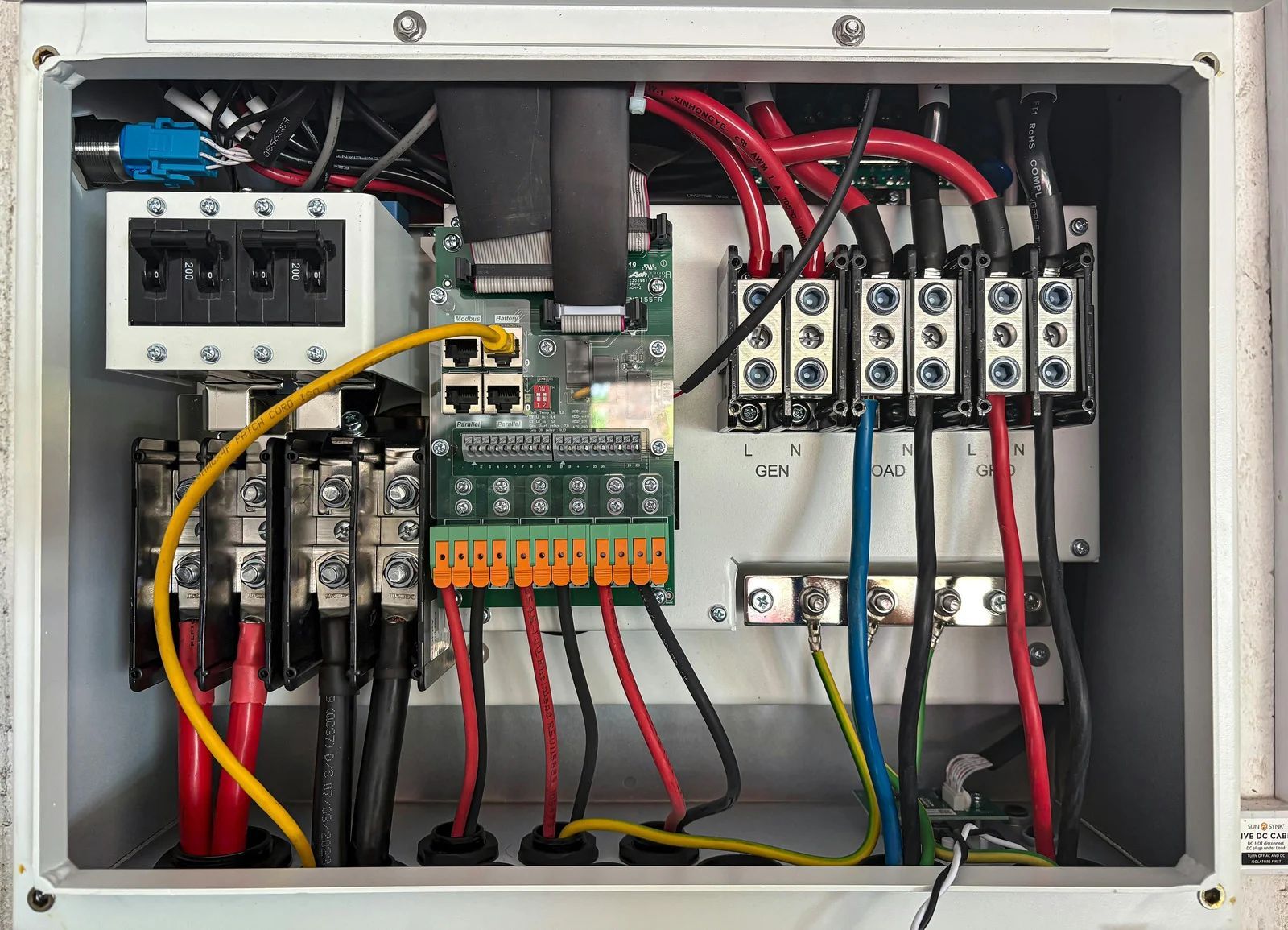
Commercial buildings require more complex electrical designs to accommodate larger spaces, heavier loads, and specialized equipment. Voltages can range from 208 to 480 volts, depending on the building’s size and equipment needs. Commercial systems often involve multiple panels, subpanels, and distribution networks to ensure consistent power across offices, factories, or retail spaces. Conduit wiring, such as EMT or rigid metal conduit, is commonly used instead of NM cable to protect wiring in high-traffic or exposed areas.
Example: A manufacturing facility may need dedicated circuits for industrial machinery, refrigeration units, and computer networks, each with specific load requirements.
Actionable Insights
- Load Calculation: Proper load calculation is critical in both residential and commercial projects to prevent overloading and potential hazards.
- System Expansion: Commercial systems must be designed with future expansion in mind, whereas residential systems typically have predictable load increases.
Safety Standards and Code Compliance
Residential Safety Considerations
Residential electrical work follows codes such as the National Electrical Code (NEC) Article 210, which governs branch circuits, and Article 240 for overcurrent protection. Safety measures include proper grounding, circuit breakers, GFCI outlets in wet areas, and AFCI protection in living spaces. Residential electricians must ensure that installations are child-safe, aesthetically discreet, and compatible with everyday appliances.
Example: GFCI outlets in bathrooms and kitchens prevent electric shocks, while arc-fault circuit interrupters (AFCIs) reduce fire risks from faulty wiring.
Commercial Safety Considerations
Commercial projects demand stricter safety protocols due to higher power loads, complex machinery, and public access. Compliance extends beyond NEC standards to include OSHA regulations and local commercial building codes. Safety equipment may include industrial-grade circuit breakers, emergency lighting, and backup power systems. Labeling, documentation, and periodic inspections are essential to meet legal requirements and prevent costly accidents.
Example: In a commercial office building, electrical rooms are often secured, and panels are clearly labeled to prevent unauthorized access and ensure maintenance personnel can work safely.
Best Practices
- Conduct regular inspections for both residential and commercial systems.
- Use certified materials and adhere strictly to the NEC and local codes.
- In commercial setups, incorporate redundancy and emergency power solutions to minimize downtime.
Equipment and Material Differences
Residential Equipment and Materials
Residential electrical projects use standard circuit breakers, outlets, switches, and lighting fixtures. Materials are designed for household use, prioritizing cost-effectiveness, ease of installation, and aesthetic appeal.
Example: Non-metallic sheathed cables are easy to run through walls and ceilings, making them ideal for residential construction.
Commercial Equipment and Materials
Commercial electrical work often requires industrial-grade materials, including heavy-duty circuit breakers, transformers, and conduit systems. Lighting may include high-bay LEDs, motion sensors, or emergency fixtures, depending on building use. Commercial systems may also incorporate power factor correction, surge protection, and advanced control systems for large machinery or HVAC operations.
Example: In a retail environment, automated lighting systems with occupancy sensors reduce energy costs while maintaining safety and comfort.
Benefits of Using Appropriate Materials
- Enhances system longevity and reliability.
- Reduces the risk of fire or electrical failure.
- Ensures compliance with code and insurance requirements.
Installation Techniques and Challenges
Residential Installation
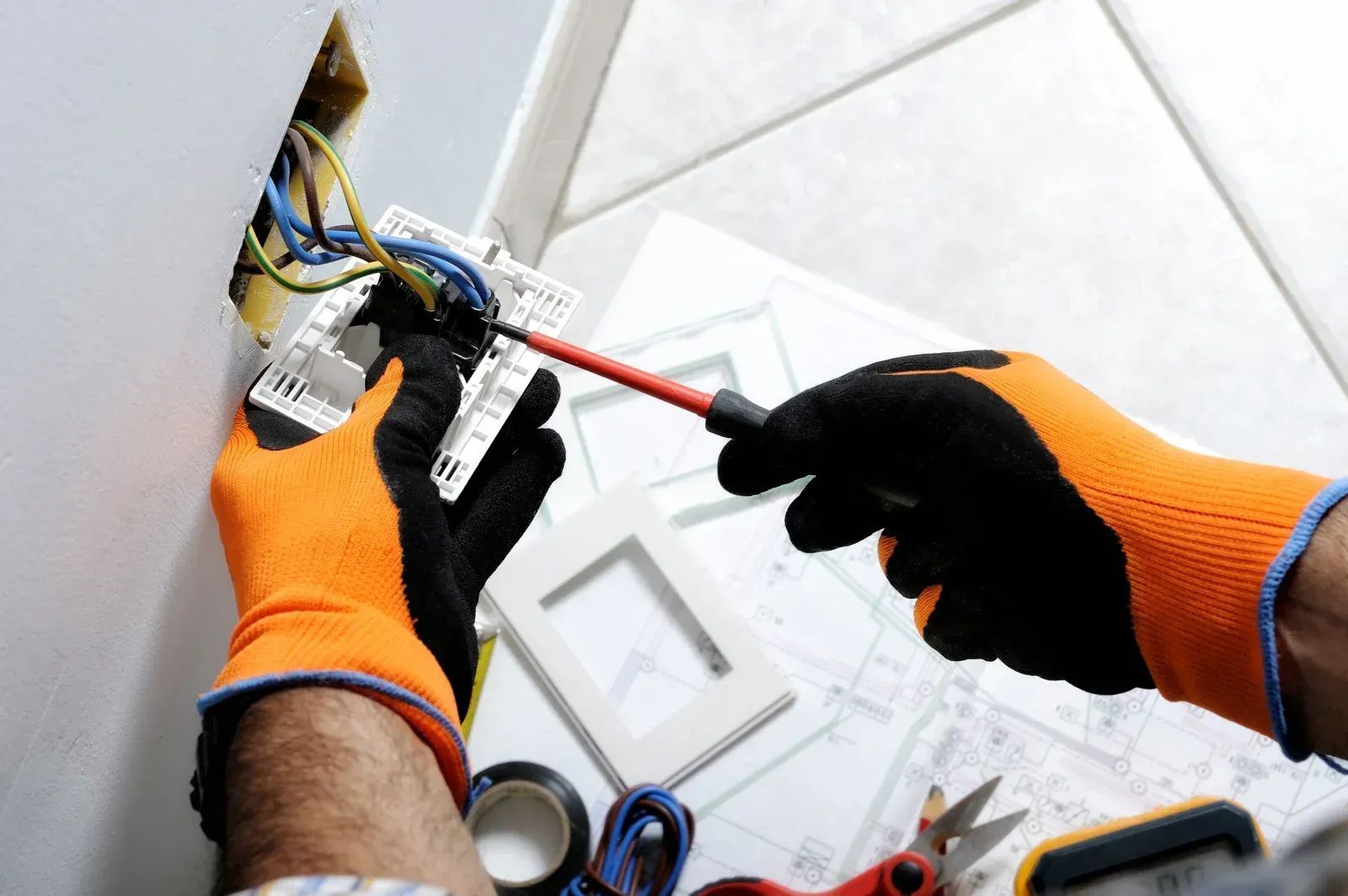
Residential installation is generally straightforward. Electricians often work with drywall, open spaces, and accessible ceilings. Challenges include navigating tight spaces, maintaining aesthetic concealment, and minimizing disruption for occupants.
Example: Running cables behind walls while ensuring that outlets are conveniently placed without compromising safety requires careful planning.
Commercial Installation
Commercial installation is more complex due to building size, existing infrastructure, and specialized equipment. Electricians may work with concrete walls, large ceilings, and multiple floors. Coordination with architects, engineers, and contractors is crucial to avoid conflicts with plumbing, HVAC, and structural elements.
Example: Installing wiring for a high-rise office may involve routing cables through fire-rated conduits, coordinating with fire suppression systems, and ensuring energy efficiency compliance.
Key Challenges
- Space constraints and structural complexity.
- High-load requirements requiring precise calculation.
- Coordination with multiple stakeholders during installation.
Maintenance and Troubleshooting
Residential Maintenance
Residential electrical maintenance focuses on routine checks of outlets, switches, breakers, and wiring condition. Homeowners are encouraged to schedule periodic inspections to detect potential hazards such as worn insulation or overloaded circuits.
Example: A flickering light might indicate a loose connection or a failing breaker, which can be addressed quickly with routine maintenance.
Commercial Maintenance
Commercial systems require proactive maintenance plans to prevent costly downtime and safety risks. This includes monitoring load distribution, testing emergency systems, and replacing industrial components before failure. Advanced diagnostic tools, such as thermal imaging and power quality analyzers, are often employed to detect hidden issues.
Example: In a hospital or manufacturing facility, system failure can halt operations, so predictive maintenance and immediate troubleshooting are critical.
Best Practices
- Develop a maintenance schedule tailored to load requirements.
- Keep detailed records of repairs and inspections.
- Use advanced diagnostic tools in commercial settings to prevent failures.
Future Trends in Electrical Work
Emerging technologies are shaping both residential and commercial electrical work. Smart home systems, renewable energy integration, and energy-efficient lighting are becoming standard in residential settings. Commercial projects increasingly adopt building automation systems, IoT-based monitoring, and sustainable power solutions. Understanding these trends allows property owners and electricians to plan for future upgrades, improve energy efficiency, and reduce operational costs.
Example: Solar panel integration in homes and automated lighting in offices exemplify how innovation impacts electrical work across both sectors.
Key Takeaways for Property Owners and Electricians
Residential and commercial electrical work may appear similar on the surface, but the differences in design, equipment, installation, safety standards, and maintenance are significant. Residential work emphasizes convenience, aesthetics, and basic safety, while commercial projects demand robust, scalable, and highly regulated systems. Property owners should hire licensed professionals with experience in the relevant field to ensure code compliance, system reliability, and safety. Electricians must adapt their approach, tools, and planning strategies according to the specific requirements of each environment, ensuring optimal performance and long-term durability.
Understanding the distinctions between residential and commercial electrical work is essential for anyone involved in property development, renovation, or maintenance. Each sector presents unique challenges, from system design and equipment selection to installation practices and ongoing maintenance. Recognizing these differences ensures safety, compliance, and long-term functionality, while also optimizing efficiency and cost-effectiveness.
At CTS Electric, we bring 20
years of dedicated experience to serving Madison and Lacey Springs, Alabama, with exceptional electrical solutions for both residential and commercial clients. Our team of licensed and highly trained electricians prioritizes safety, reliability, and efficiency in every project. From routine inspections and troubleshooting to complex installations and system upgrades, we apply industry best practices and innovative techniques to deliver lasting results. Whether you need residential upgrades, commercial system installations, or ongoing maintenance, we provide expert guidance, professional service, and peace of mind. Trust us to power your property safely and efficiently, backed by decades of proven experience and a commitment to excellence.
You might also like