What to Expect During a Professional Electrical Troubleshooting Service
Electrical systems are an essential backbone of modern homes and businesses, powering everything from lighting and appliances to security systems and critical machinery. However, even the most meticulously installed electrical setups can experience issues over time. Flickering lights, circuit breaker trips, power surges, or unusual electrical noises can indicate underlying problems that require professional attention. Understanding what to expect during a professional electrical troubleshooting service can make the process less intimidating and ensure that issues are resolved efficiently, safely, and with long-term reliability.
Hiring a trained electrician for troubleshooting not only saves time but also prevents potential hazards. Electrical malfunctions can pose serious safety risks, including shocks, fires, and damage to appliances. By familiarizing yourself with the steps involved in a professional evaluation, you can approach the service with confidence. This knowledge empowers homeowners and business owners to ask informed questions, understand recommended repairs, and ensure that the solutions provided are both cost-effective and durable. In a world increasingly dependent on electricity, knowing what to anticipate during troubleshooting is both practical and essential.
1. Initial Assessment and Consultation
Understanding the Problem
The first step in any professional electrical troubleshooting service is a thorough consultation. Electricians begin by asking detailed questions about the symptoms observed. Whether it’s intermittent power outages, unusual sounds, or inconsistent appliance performance, understanding the specific issues helps guide the diagnostic process. This stage is crucial for narrowing down potential causes and setting priorities for the investigation.
For example, if a homeowner reports flickering lights in multiple rooms, the electrician might consider causes ranging from loose connections to overloaded circuits or faulty breakers. In commercial settings, electrical inconsistencies can disrupt operations and damage sensitive equipment, making a precise assessment even more critical.
Inspection of Visual and Physical Signs
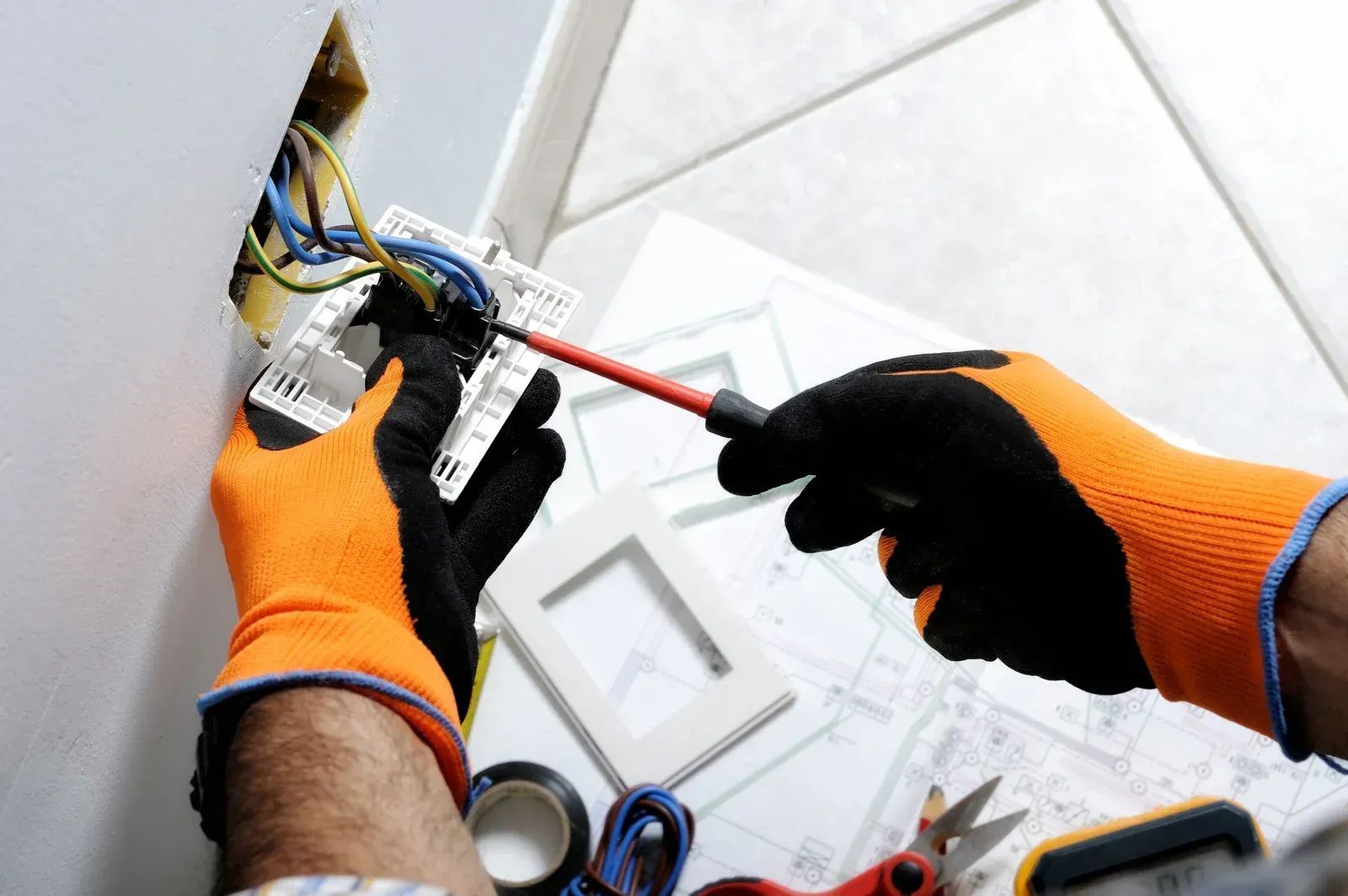
During the initial inspection, the technician looks for visible indicators of electrical problems. Burn marks, frayed wires, corroded connections, and tripped breakers all provide valuable clues. In addition, electricians check for compliance with local electrical codes to ensure that any identified issues are not only fixed but brought up to current safety standards. Early detection of hazards reduces the risk of escalation and prevents unnecessary expenses.
2. Diagnostic Testing and Equipment Use
Advanced Tools for Accurate Identification
Once the initial assessment is complete, electricians employ diagnostic tools to pinpoint the root cause. Tools such as multimeters, clamp meters, circuit analyzers, and thermal imaging cameras allow professionals to measure voltage, current, and resistance, detecting problems that are invisible to the naked eye. For instance, a thermal camera can reveal overheating wires behind walls or inside panels before they lead to fire hazards.
Systematic Testing Process
Professional troubleshooting follows a structured approach. Electricians systematically isolate circuits to test individual components. In residential settings, this may involve switching off portions of the system to identify which outlets or appliances are affected. In commercial environments, the process may extend to entire machinery networks or server rooms. This methodical testing ensures accuracy, minimizes disruption, and avoids unnecessary replacement of functional components.
Real-World Example
Consider a scenario where a business experiences recurring tripped breakers. Through methodical testing, an electrician identifies a specific machine drawing more current than the circuit is rated for. By pinpointing the exact problem, the solution becomes targeted, whether it’s circuit upgrade, load redistribution, or equipment repair. This precision saves both time and money compared to trial-and-error approaches.
3. Identifying Common Electrical Issues
Overloaded Circuits
One of the most common causes of electrical problems is circuit overload. Overloading occurs when the demand on a circuit exceeds its designed capacity, often due to multiple high-power devices operating simultaneously. Symptoms include frequent breaker trips, dimming lights, and overheating outlets. Professional electricians evaluate load distribution and recommend solutions such as circuit upgrades or redistribution to balance power use safely.
Faulty Wiring and Connections
Old or improperly installed wiring can lead to short circuits, sparks, or intermittent power loss. During troubleshooting, electricians examine wiring integrity, checking for frayed insulation, loose connections, or corrosion. Replacing or repairing faulty wiring not only restores functionality but also mitigates serious safety hazards, including fire risks.
Malfunctioning Breakers or Panels
Breakers and panels are critical safety devices in electrical systems. Over time, breakers may wear out or panels may develop faults that compromise system reliability. Electricians test breakers under load and inspect panels for signs of wear, heat damage, or corrosion. Prompt replacement or repair ensures that the system operates safely and efficiently.
Grounding Issues
Proper grounding protects both people and equipment from electrical shocks and surges. During troubleshooting, electricians check grounding systems for integrity, including grounding rods, connections, and bonding to electrical panels. Ensuring proper grounding reduces the risk of damage during lightning strikes, surges, or equipment malfunctions.
4. Repair, Replacement, and Preventive Measures
Implementing Repairs Safely
After identifying the issues, electricians develop a repair plan. Repairs may involve replacing faulty breakers, rewiring circuits, tightening connections, or installing surge protection devices. Professionals adhere to strict safety protocols, including switching off power sources and using insulated tools, ensuring both their safety and the client’s.
Component Replacement
Sometimes, repairs alone are insufficient, and replacement is necessary. This can include upgrading outdated panels, installing higher-capacity circuits, or replacing deteriorated wiring. Replacing components with high-quality, code-compliant materials enhances system longevity and reduces the likelihood of future breakdowns.
Preventive Strategies
Professional troubleshooting services often include recommendations for preventive maintenance. This may involve regular inspections, load balancing, surge protection, or upgrading older systems before they fail. Proactive maintenance not only extends the lifespan of electrical infrastructure but also minimizes disruptions, keeping homes and businesses operational without unexpected downtime.
Example of Preventive Action
A restaurant experiencing sporadic kitchen power outages benefits from a preventive approach. By inspecting circuits and balancing loads across multiple panels, an electrician prevents future service interruptions that could disrupt operations or damage costly appliances.
5. Documentation and Client Education
Detailed Service Reports
After completing troubleshooting and repairs, electricians provide comprehensive reports detailing findings, actions taken, and recommended next steps. These records help clients track system performance over time and serve as a reference for future electrical work. Clear documentation ensures accountability and supports warranty or insurance claims if necessary.
Educating Clients on Electrical Safety
A professional service goes beyond fixing problems—it empowers clients with knowledge. Electricians explain the cause of the issues, demonstrate safe operation practices, and offer advice on maintaining electrical systems. For instance, homeowners may learn how to avoid overloading circuits, while business owners gain insight into proper equipment usage and surge protection.
Real-World Value
Educated clients are more confident in managing their electrical systems, preventing common mistakes that could lead to hazards. This not only improves safety but also reduces long-term maintenance costs by avoiding preventable issues.
6. Challenges and Considerations in Electrical Troubleshooting
Unpredictable Faults
Electrical troubleshooting can present unpredictable challenges. Some issues, like intermittent shorts or voltage fluctuations, may not appear consistently, requiring electricians to employ advanced testing methods and patience to identify the source. Understanding these complexities helps clients set realistic expectations regarding repair timelines.
Environmental and System Limitations
Older buildings may have outdated wiring or insufficient panel capacity, complicating repairs. External factors such as moisture, pests, or construction modifications can also contribute to electrical problems. Professionals evaluate these conditions to implement effective, code-compliant solutions.
Safety Compliance
Ensuring compliance with local and national electrical codes is non-negotiable. Troubleshooting services consider legal and safety requirements in all repairs, replacements, and upgrades. Clients benefit from systems that not only function properly but also meet safety standards, reducing liability and protecting lives and property.
Cost and Planning Considerations
While the expense of professional electrical troubleshooting may seem significant, it often prevents costly emergency repairs and property damage. Transparent communication about potential costs, repair options, and timelines helps clients make informed decisions and budget effectively.
Reliable Electrical Troubleshooting With Expert Precision Guaranteed
Professional electrical troubleshooting is a critical service for maintaining safety, reliability, and efficiency in both residential and commercial electrical systems. From initial assessment to repair, replacement, and preventive recommendations, the process involves a combination of technical expertise, advanced diagnostic tools, and adherence to safety standards. By understanding what to expect, clients can approach the service with confidence, ensuring that issues are resolved accurately and efficiently. Key aspects include thorough inspections, systematic testing, identification of common issues, safe repair practices, and client education—all designed to prevent future problems and optimize system performance.
At CTS Electric, we bring 20
years of experience serving the Madison and Lacey Springs, Alabama communities. Our team of licensed electricians is committed to providing safe, reliable, and efficient troubleshooting services for homes and businesses alike. With a focus on accuracy, transparency, and client education, we ensure that every electrical issue is not only resolved but prevented from recurring. Over two decades, CTS Electric
has earned a reputation for professional excellence, combining cutting-edge diagnostic tools with practical, code-compliant solutions. Whether it’s a complex commercial electrical network or a home system showing early signs of wear, our experts guide clients through every step, from inspection to preventive recommendations. Choosing CTS Electric
means trusting a team that values your safety, efficiency, and peace of mind, delivering dependable electrical solutions for today and tomorrow.
You might also like