Common Electrical Code Violations and How to Avoid Them
Electrical systems are the backbone of modern residential, commercial, and industrial spaces. They power our homes, offices, and essential devices, yet their complexity and hidden dangers are often underestimated. One critical aspect of electrical safety that every property owner and professional should understand is adherence to the National Electrical Code (NEC) or local electrical codes. Failure to comply with these regulations not only increases the risk of electrical fires and accidents but can also result in costly fines, insurance complications, and liability issues. Understanding common electrical code violations and how to prevent them is essential for maintaining a safe, efficient, and legally compliant electrical system.
Unfortunately, many code violations arise not from negligence but from lack of awareness, outdated installations, or DIY electrical work. From improper wiring methods to insufficient grounding, these oversights can compromise both safety and system performance. By identifying the most frequent mistakes and implementing proactive measures, property owners and electricians can significantly reduce risks. This blog will provide a detailed guide to common electrical code violations, explain their implications, and offer actionable strategies to avoid them. By following these best practices, you can ensure your electrical system remains reliable, efficient, and above all, safe.
1. Improper Wiring Practices
1 Overloaded Circuits
One of the most common code violations occurs when circuits are overloaded. This happens when the electrical load on a circuit exceeds its rated capacity, causing excessive heat buildup and increasing the risk of fire. Overloaded circuits often result from plugging multiple high-power devices into a single outlet or extending the circuit beyond recommended limits.
Example Scenario: A homeowner uses multiple space heaters and appliances on a single 15-amp circuit, causing the breaker to trip frequently. While tripping prevents immediate danger, repeated overloads stress the wiring and connectors, gradually weakening them.
Best Practices: Always calculate the load for each circuit using the formula: total watts ÷ voltage = amps. Avoid daisy-chaining power strips and ensure high-demand appliances, such as ovens or HVAC systems, have dedicated circuits.
2 Using Incorrect Wire Types
Using wires that are not rated for the intended application is a significant code violation. For instance, indoor-rated wires installed outdoors can deteriorate rapidly due to exposure to moisture or UV light, creating a fire hazard. Similarly, undersized wires on high-amp circuits can overheat.
Actionable Tip: Always follow NEC guidelines for wire sizing and insulation types. Label wires clearly during installation, and avoid substituting cheaper or incompatible alternatives.
3 Loose or Improper Connections
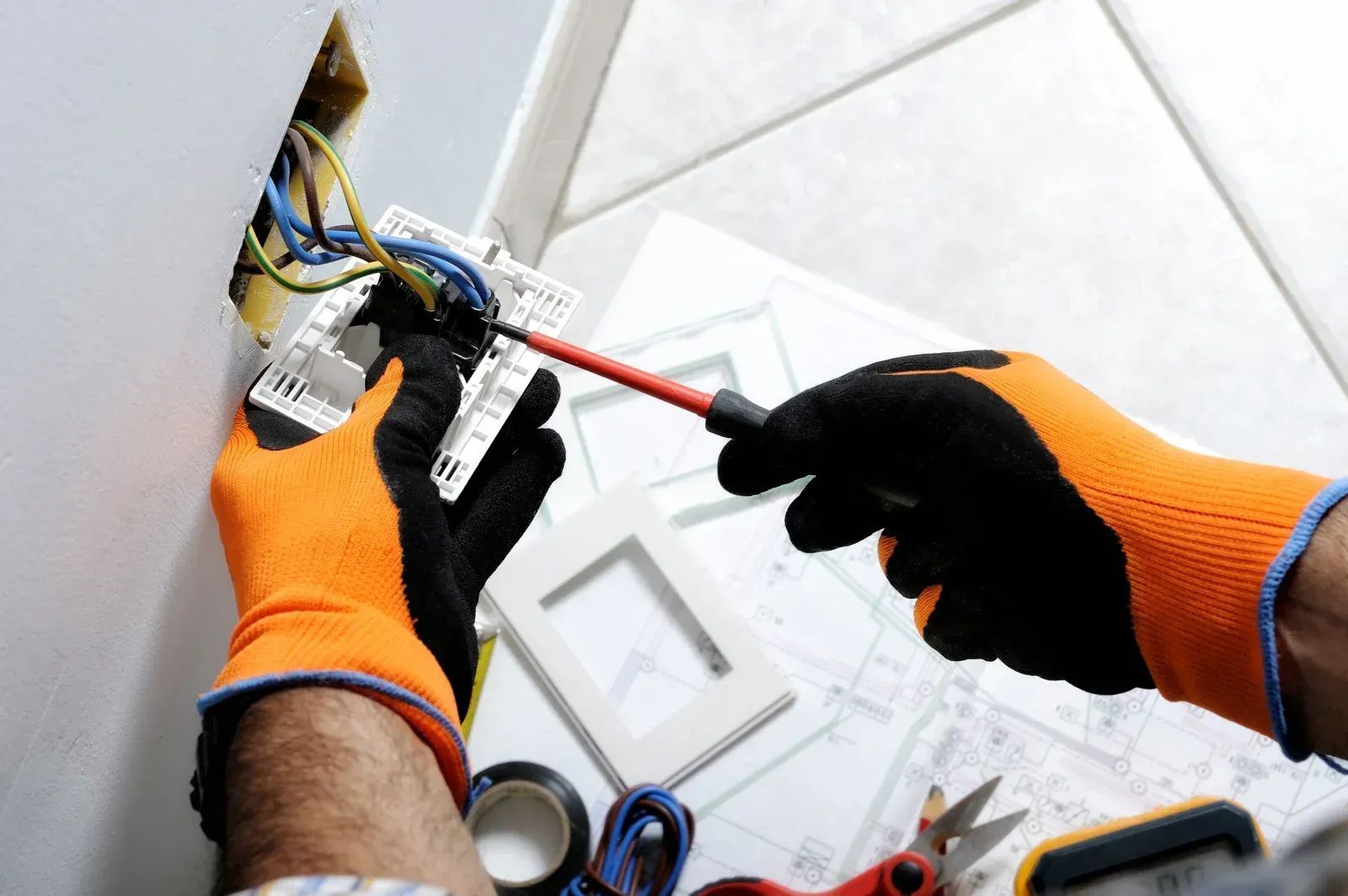
Loose connections, especially at outlets, switches, or junction boxes, can lead to arcing, overheating, and eventual fire hazards. Electrical codes mandate secure connections with proper terminals, wire nuts, or connectors to maintain continuity and prevent hazards.
Pro Tip: Inspect connections periodically, especially in older homes, and tighten or replace connectors as needed. Using torque-rated devices ensures compliance with code requirements.
2. Grounding and Bonding Errors
1 Absence of Proper Grounding
Grounding protects both people and equipment by directing stray electricity safely into the earth. Missing or inadequate grounding is a prevalent code violation and increases shock hazards.
Example Scenario: In a home renovation, new outlets were installed without grounding the receptacles, leaving appliances unprotected.
Expert Insight: Grounding is particularly critical for metal-bodied appliances, GFCI-protected outlets, and systems prone to lightning strikes. Always use a continuous ground wire, bonded properly to the panel and outlet boxes.
2 Improper Bonding of Metal Parts
Bonding ensures that all metal components in an electrical system are electrically connected, preventing dangerous voltage differences. Failing to bond metal conduit, panels, or water pipes can result in shock hazards and code violations.
Best Practices: Use approved bonding conductors and clamps, and follow local code specifications. Test continuity using a multimeter to ensure proper bonding connections.
3 Ground-Fault Circuit Interrupter (GFCI) Violations
GFCIs are designed to prevent electrical shock in wet areas. A common violation occurs when these devices are either missing, improperly installed, or bypassed. Bathrooms, kitchens, garages, and outdoor outlets must have GFCI protection according to NEC standards.
Actionable Tip: Regularly test GFCI outlets using the built-in test button. For renovations, ensure that new installations comply with the latest code requirements.
3. Outlet and Receptacle Violations
1 Improper Outlet Placement
Electrical codes specify outlet spacing to minimize the use of extension cords and reduce hazards. For example, living spaces typically require outlets every 12 feet along walls, and no point along a wall should be more than 6 feet from an outlet.
Example Scenario: An older home with minimal outlet placement forces residents to use long extension cords, increasing trip hazards and overloading circuits.
Solution: During remodeling or new construction, plan outlet locations based on modern code spacing. Consider additional outlets for home offices, entertainment centers, and high-demand areas.
2 Incorrect Tamper-Resistant Outlets
Tamper-resistant (TR) outlets are required in homes with children to prevent accidental shocks. A code violation occurs when non-TR outlets are installed in bedrooms, living areas, or other child-accessible locations.
Pro Tip: Use TR outlets in all required locations and verify their compliance by checking for a spring-loaded shutter inside the receptacle that blocks foreign objects.
3 Non-Compliant Receptacle Ratings
Using outlets not rated for the intended load is a frequent oversight. For example, installing a 15-amp outlet where a 20-amp outlet is required can cause overheating if a high-power device is used.
Best Practice: Always match outlet ratings with circuit capacity and intended device load. Label outlets in workshops or garages for specialized high-power tools.
4. Lighting and Switch Violations
1 Improper Lighting Fixture Installation
Lighting fixtures must comply with code specifications regarding placement, type, and wiring. A common violation is installing recessed lighting in insulated ceilings without proper housing, leading to overheating.
Example Scenario: A homeowner installs LED can lights directly against insulation without IC-rated housings, creating a fire hazard.
Solution: Use IC-rated fixtures for insulation contact, and always follow manufacturer installation instructions to meet code requirements.
2 Switch and Control Miswiring
Incorrectly wired switches can cause devices to malfunction or create shock hazards. For instance, a three-way switch wired incorrectly may leave live voltage present even when the light appears off.
Actionable Tip: Verify wiring with a voltage tester before final installation, and always follow standard wiring diagrams. Label switches clearly to prevent confusion.
3 Inadequate Lighting in Critical Areas
Code requirements specify minimum lighting levels in stairways, hallways, and outdoor spaces to prevent accidents. Installing dim or insufficient lighting violates safety codes and increases the risk of trips and falls.
Best Practices: Use energy-efficient, code-compliant lighting in all required areas. Outdoor pathways, staircases, and garages should have dedicated lighting circuits.
5. Panel and Circuit Breaker Violations
1 Overcrowded Electrical Panels
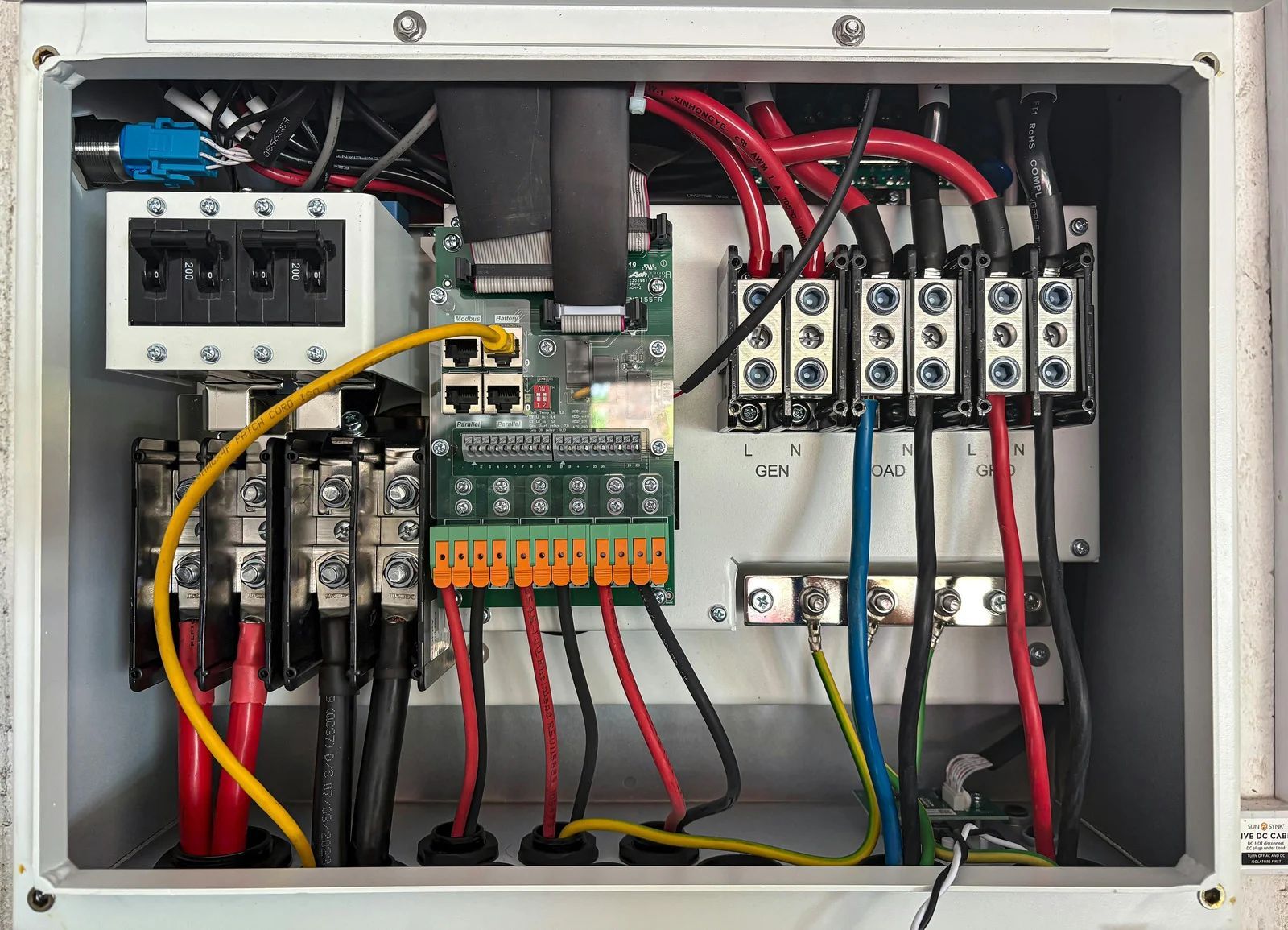
Electrical panels are designed to safely house a specific number of breakers. Overcrowding wires or double-tapping breakers not rated for multiple wires is a frequent violation.
Expert Insight: Overcrowded panels increase the risk of overheating and arcing, which can lead to fires. Each wire should have its dedicated breaker or properly rated tandem breaker.
2 Improper Breaker Ratings
Installing a breaker with a higher rating than the wire it protects is a major safety hazard. For example, a 30-amp breaker on a 14-gauge wire can overheat the wire before the breaker trips.
Solution: Always match breaker ratings to wire gauge according to NEC specifications. When in doubt, consult a licensed electrician.
3 Missing Labels and Documentation
Panels must clearly label each circuit, including the areas or devices they control. Missing or illegible labels violate code and create challenges during maintenance or emergencies.
Best Practice: Keep panel labeling accurate and updated whenever new circuits are added. Use durable labels resistant to fading.
6. Safety Devices and Accessibility Violations
1 Missing Arc-Fault Circuit Interrupters (AFCIs)
AFCIs prevent fires caused by arcing faults in branch circuits. Omitting AFCIs in required areas, such as bedrooms and living spaces, is a frequent violation.
Tip: Install combination-type AFCIs in all locations mandated by the latest NEC version. Regular testing ensures functionality.
2 Blocked or Inaccessible Panels
Electrical panels must remain accessible at all times, with at least 36 inches of clearance in front. Blocking panels with furniture or storage items is a code violation.
Solution: Maintain clear access to panels and use floor markings or reminders to prevent obstruction. This ensures quick response during emergencies.
3 Lack of Surge Protection
While not always mandatory, installing whole-home surge protection is highly recommended. It protects sensitive electronics from voltage spikes and reduces the risk of electrical fires.
Best Practice: Integrate surge protection devices at the main panel and at critical outlets for maximum coverage.
Protect Your Property With Proper Electrical Practices
CTS Electric, with over 20 years of experience serving Madison and Lacey Springs, Alabama, is dedicated to ensuring homes and businesses meet the highest electrical safety standards. Our team of licensed electricians specializes in identifying code violations, implementing corrective solutions, and designing systems that comply fully with NEC requirements. From residential wiring upgrades to commercial panel installations, we provide professional, reliable, and long-lasting services tailored to your needs.
Our expertise allows us to handle everything from minor repairs to comprehensive electrical inspections, offering clients peace of mind and confidence in their systems. We emphasize proactive solutions to prevent violations, improve efficiency, and protect your property from hazards. By choosing us, you partner with a company committed to safety, quality, and professionalism. Our long-standing presence in Madison and Lacey Springs reflects our dedication to excellence and customer satisfaction. Whether you need routine maintenance, emergency repairs, or a full electrical system overhaul, CTS Electric
is your trusted authority in delivering code-compliant, secure, and efficient electrical solutions.
You might also like